
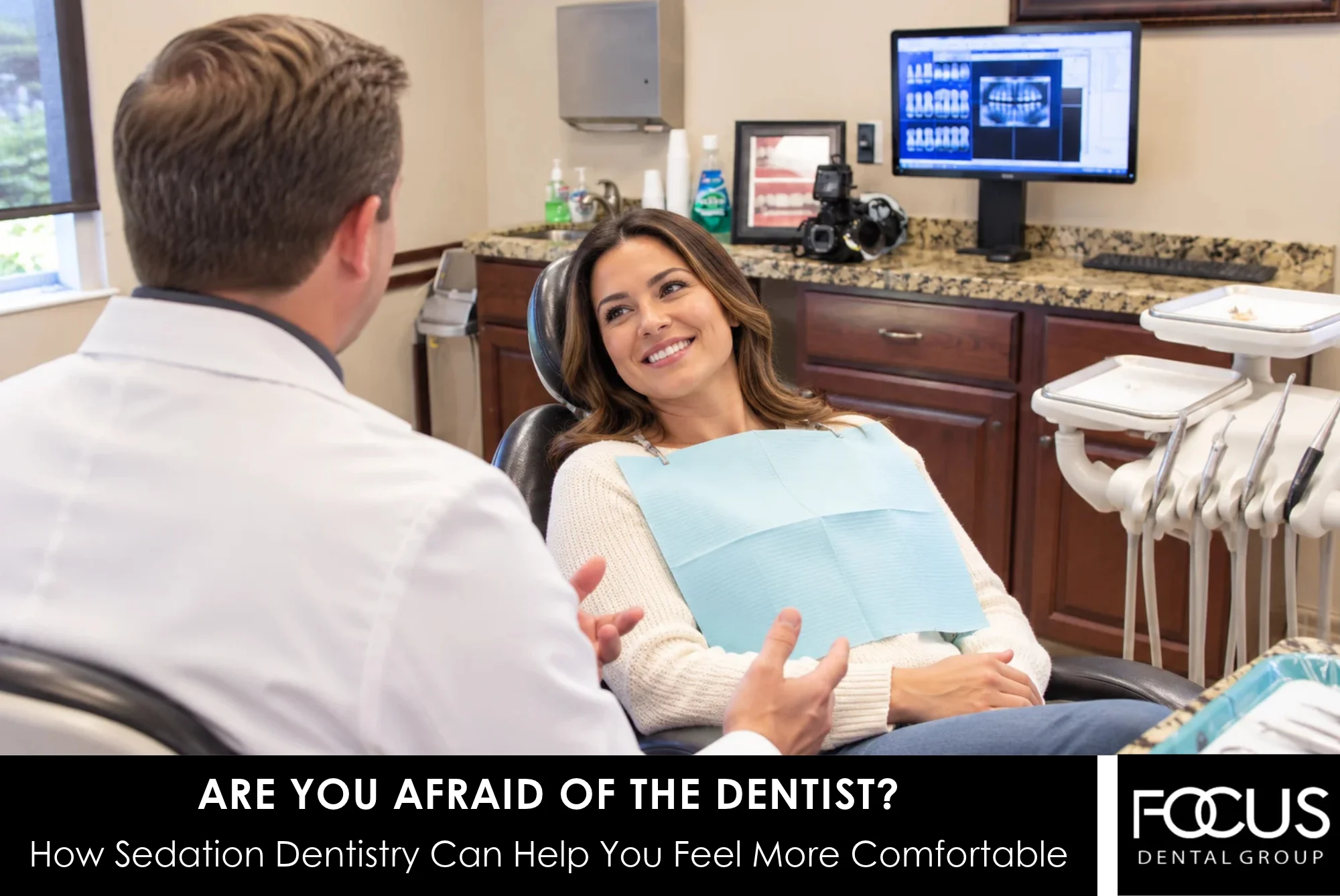
Dental anxiety is common and can affect patients of all ages. Some individuals feel mildly nervous before appointments, while others experience significant fear that causes them to postpone necessary treatment.
Unfortunately, delaying dental care can allow cavities, gum disease, and other oral health problems to progress. Sedation dentistry offers several approaches that may help appropriately selected patients receive treatment more comfortably.
Why Are Some People Afraid of Dental Visits?
Dental anxiety may develop because of previous unpleasant experiences, fear of pain, sensitivity to sounds or smells, concerns about needles, or feeling vulnerable during treatment.
Some patients experience a strong gag reflex or difficulty remaining comfortable in the dental chair.
Recognizing these concerns allows the dental team to develop a more supportive treatment plan.
What Is Sedation Dentistry?
Sedation dentistry involves medications used to reduce anxiety and promote relaxation during dental procedures.
Depending on the medication and level of sedation, patients may remain fully awake, feel drowsy, or have limited memory of the procedure.
Sedation is different from local anesthesia. Even when sedation is used, local anesthetic may still be necessary to prevent pain.
What Types of Dental Sedation Are Available?
Nitrous oxide, commonly called laughing gas, is inhaled through a small nasal mask. It produces mild relaxation, and its effects usually diminish quickly after administration stops.
Oral sedation involves taking prescribed medication before treatment. Patients may feel significantly drowsy and generally need someone to accompany them home.
Intravenous sedation delivers medication through an IV and allows clinicians to adjust the level of sedation during treatment.
General anesthesia produces unconsciousness and is generally reserved for particular procedures or patient needs.
Not every dental practice offers every sedation method. Patients should confirm available options and the qualifications of the treating team.
Who Might Benefit From Sedation Dentistry?
Sedation may be considered for patients with significant dental anxiety, certain special healthcare needs, difficulty tolerating procedures, or extensive treatment requirements.
Suitability depends on medical history, medications, airway considerations, procedure complexity, and the planned level of sedation.
Is Sedation Dentistry Safe?
Sedation can be provided safely for many appropriately screened patients, but all forms carry potential risks.
The dental team must review health conditions and medications, select the appropriate technique, and use monitoring and emergency protocols suited to the level of sedation.
Patients should follow all instructions regarding eating, drinking, medications, and transportation.
Frequently Asked Questions About Sedation Dentistry
Will I Be Asleep During Sedation Dentistry?
Not necessarily. Nitrous oxide and minimal sedation usually allow patients to remain awake. Deeper sedation may substantially reduce awareness.
Can Sedation Help With a Strong Gag Reflex?
Certain sedation techniques may help some patients tolerate dental procedures more comfortably.
Is Sedation Dentistry Only for Major Procedures?
No. Sedation may be considered for routine or complex care when clinically appropriate, although availability varies.
Can I Drive After Dental Sedation?
Patients can often drive after uncomplicated nitrous oxide sedation once fully recovered and cleared by their clinician. Oral or IV sedation generally requires a responsible adult to provide transportation.
What If I Have Avoided the Dentist for Years?
A consultation can help establish priorities and create a manageable treatment plan without judgment.
Contact Information
Focus Dental Group 6770 S 900 E, Suite 301 Midvale, UT 84047 Phone: (801) 255-7101 Website: focusdentalgroup.com Request an Appointment
If dental anxiety has kept you from seeking care, contact Focus Dental Group to discuss your concerns and ask about available comfort and sedation options.