
A Permanent Foundation for a Complete, Confident Smile
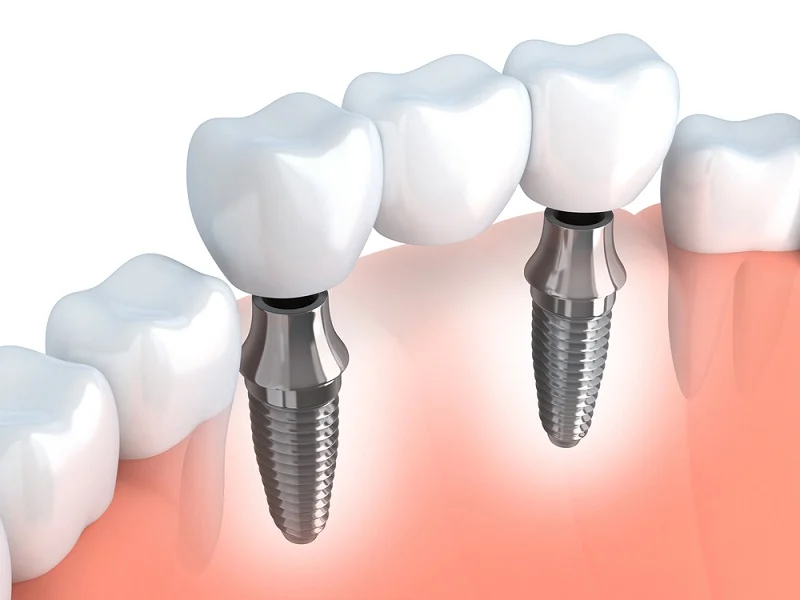
At Focus Dental Group, dental implants are our standard of care for replacing missing teeth in Midvale, UT . An implant is a small titanium post placed in the jawbone beneath the gumline, where it acts as a strong, stable root for a new crown, bridge, or denture. Implants restore the look and function of your smile, and they stand on their own without being anchored to neighboring teeth. That helps protect your long-term oral health.
Request an AppointmentWhy Replacing Missing Teeth Matters
Missing teeth affect more than the way your smile looks. When a tooth is lost, the jawbone beneath it no longer receives stimulation from chewing and slowly begins to shrink. Nearby teeth can drift or tip into the gap, your bite can change, and chewing and speaking may become harder. Over time, bone loss can also change the shape of your face and make you look older.
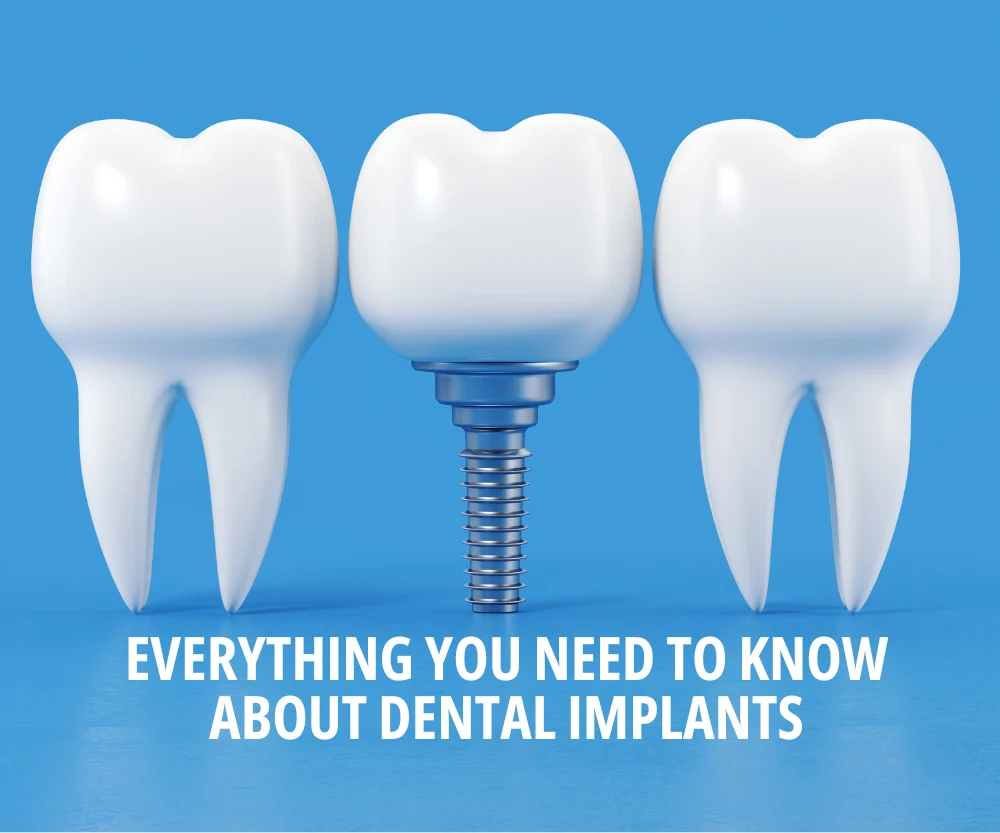
Dental implants are the only tooth replacement that also replaces the root. Because the post bonds with the jawbone, it continues to stimulate the bone the way a natural tooth does. This helps preserve your jaw structure and keeps surrounding teeth in place.
Types of Dental Implants
Endosteal Implants
Endosteal implants are the most common type and are recommended for most patients. A titanium post is placed directly into the jawbone. After the bone and gum tissue heal around it, an abutment is attached, followed by a custom crown made to match your natural teeth. This approach needs a healthy jawbone with enough volume to support the post.
Subperiosteal Implants
Subperiosteal implants are a less common alternative. They use a metal framework that sits just beneath the gum tissue, on top of the jawbone rather than inside it. The framework becomes secured over time, and replacement teeth attach to it. This option may be considered for patients who don’t have enough jawbone for a traditional implant and prefer to avoid grafting.
What Dental Implants Can Replace
- A single tooth: one implant topped with a natural-looking crown
- Several teeth in a row: two or more implants supporting a fixed bridge
- A full arch: All-on-4 dental implants or an implant-supported denture
Are You a Good Candidate for Dental Implants?
Good candidates have healthy gums and enough jawbone to hold the implant securely. If you have experienced some bone loss, you may still qualify. In many cases, bone grafting can rebuild the area as part of your treatment plan. If you have gum disease, we treat it first to create a healthy foundation. Smoking, uncontrolled diabetes, and some medications can affect healing, so we review your full health history during your consultation and recommend the approach that fits you best.
Benefits of Dental Implants
- Look, feel, and function like natural teeth
- Can last for decades, often a lifetime, with proper care
- Help preserve the jawbone and natural facial contours
- Don’t require reshaping healthy neighboring teeth
- Let you eat, speak, and smile with confidence
- Never slip, click, or need adhesives
The Dental Implant Process
1. Consultation and Planning
Your treatment begins with a thorough exam and imaging. These let us evaluate your bone, gums, and bite and plan the ideal position for each implant. We explain your options, the timeline, and what to expect before anything is scheduled.
2. Implant Placement
The implant post is placed in the jawbone under local anesthesia. For patients who feel nervous, sedation dentistry is available to help you relax throughout the procedure.
3. Healing and Integration
Over the next few months, the implant fuses with the surrounding bone in a process called osseointegration. This creates a stable base that can handle normal chewing forces. A temporary tooth can often be provided while you heal.
4. Your Final Restoration
Once healing is complete, we attach the abutment and your custom crown, bridge, or denture. The result is a secure, natural-looking tooth replacement. Implants are often part of a larger plan, such as a smile makeover or full mouth reconstruction.
Caring for Your Dental Implants
Implants can’t develop cavities, but the gums and bone around them still need daily care. Brush twice a day, floss or use a water flosser around each implant, and keep up with regular dental checkups and cleanings. Routine visits let us check the health of the tissue around your implants and catch small concerns early. If you clench or grind your teeth at night, we may recommend a night guard to protect your restoration.
To learn more about dental implants, visit Focus Dental Group at 6770 S 900 E, Suite 301, Midvale, UT 84047, or call (801) 255-7101 to book your consultation.
Common Questions About Dental Implants
What is a dental implant?
A dental implant is a titanium post placed in the jawbone. It acts as a replacement tooth root and supports a crown, bridge, or denture that looks and functions like a natural tooth.
How long do dental implants last?
With good daily hygiene and regular dental visits, the implant post can last for decades and often a lifetime. The crown on top may eventually need replacement after many years of normal wear.
Does getting a dental implant hurt?
Implant placement is done with local anesthesia, so you shouldn’t feel pain during the procedure. Sedation is also available. Most patients describe mild soreness for a few days afterward that is easily managed with over-the-counter pain relievers.
Am I too old for dental implants?
There is no upper age limit for dental implants. Healthy adults of any age who have enough jawbone, or who can have bone grafting, may be good candidates.
What if I don’t have enough jawbone for an implant?
Bone grafting can often rebuild the jawbone so it can support an implant. Options such as All-on-4 dental implants or subperiosteal implants may also allow treatment without extensive grafting.
How long does the dental implant process take?
The full process usually takes several months. Most of that time allows the implant to fuse with the bone before the final crown, bridge, or denture is attached. Your timeline depends on whether extractions or bone grafting are needed.
Are implants better than bridges or dentures?
Implants don’t rely on neighboring teeth for support and help preserve the jawbone, which makes them a long-lasting choice for many patients. Bridges and dentures are still good options in some situations, and our dentists will help you choose the best fit for your health, goals, and budget.
Take the First Step Toward a Complete Smile
If missing teeth are affecting how you eat, speak, or feel about your smile, our team at Focus Dental Group is ready to help. Schedule a consultation to find out whether dental implants are right for you, or call (801) 255-7101 with any questions.