
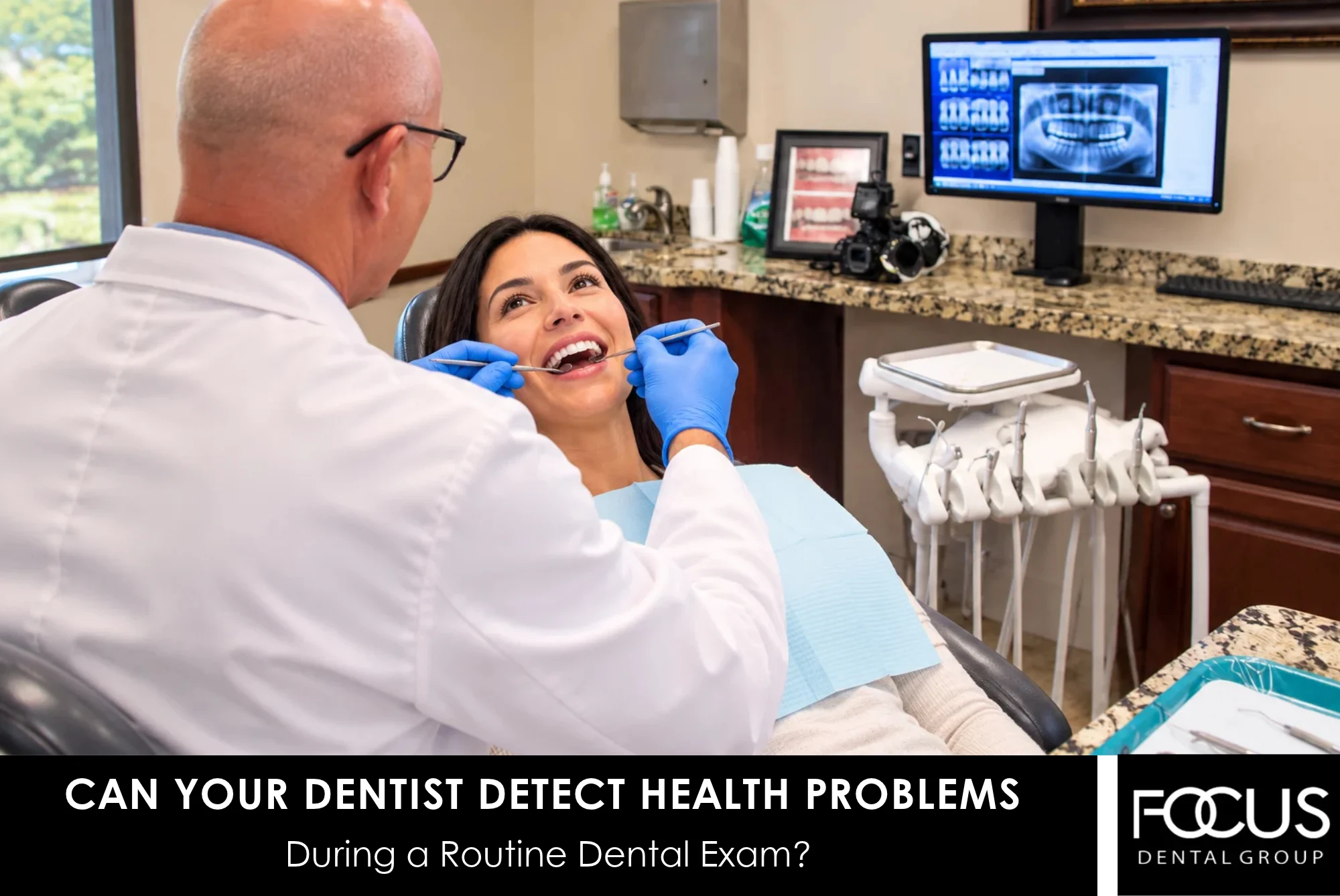
Preventive dentistry focuses on maintaining healthy teeth and gums while reducing the likelihood of future dental problems. Routine examinations, professional cleanings, fluoride applications, and individualized home care recommendations are important components of prevention.
Certain laser technologies may also support selected dental procedures, although their benefits depend on the specific device, treatment, and clinical circumstances.
What Is Preventive Dentistry?
Preventive dentistry includes professional and home-based measures intended to reduce tooth decay, periodontal disease, and other oral health conditions.
A preventive dental program may include regular examinations, professional cleanings, fluoride treatment, dental sealants, dietary counseling, and personalized oral hygiene instruction.
The appropriate combination depends on individual risk factors.
How Does Fluoride Protect Teeth?
Fluoride helps strengthen enamel by supporting remineralization, the process through which minerals are redeposited into areas affected by early acid damage.
It also makes enamel more resistant to future acid attacks and can help slow or reverse certain early noncavitated lesions.
Professional fluoride varnish may be recommended for children or adults at elevated cavity risk.
Who Benefits From Professional Fluoride Treatments?
Patients with frequent cavities, dry mouth, exposed tooth roots, orthodontic appliances, or other factors that increase decay risk may benefit from additional fluoride.
Fluoride is not exclusively for children. Adults with elevated cavity risk may also benefit from professionally applied treatments.
What Role Do Lasers Play in Dentistry?
Dental lasers use focused light energy to interact with specific tissues.
Depending on the laser system and clinical indication, they may be used for selected soft-tissue procedures, certain periodontal treatments, or other dental applications.
Lasers do not replace routine brushing, flossing, fluoride, or conventional preventive care.
Are Laser Dental Treatments Better Than Traditional Methods?
Not necessarily. Laser technology can provide advantages for selected procedures, but effectiveness depends on the condition being treated and the specific technique.
For some applications, research does not demonstrate consistent superiority over established conventional treatments.
Patients should ask about the expected benefits, limitations, alternatives, and costs.
Frequently Asked Questions About Preventive Dentistry
Can Fluoride Reverse a Cavity?
Fluoride may help remineralize early enamel decay before a physical cavity forms. Once a tooth has developed a cavitated lesion, restorative treatment may be necessary.
Is Fluoride Safe for Adults and Children?
Fluoride is beneficial when used at recommended levels. Young children should use age-appropriate toothpaste amounts and avoid swallowing excess toothpaste.
Are Dental Lasers Pain-Free?
Not always. Some laser procedures may require less anesthesia, while others still require local anesthetic.
How Often Should I Receive Fluoride Treatment?
Frequency depends on cavity risk, age, oral health, and the dentist’s recommendations.
Can Preventive Dentistry Eliminate the Need for Fillings?
Prevention can significantly reduce cavity risk, but it cannot guarantee that restorative treatment will never be necessary.
Contact Information
Focus Dental Group 6770 S 900 E, Suite 301 Midvale, UT 84047 Phone: (801) 255-7101 Website: focusdentalgroup.com Request an Appointment
Contact Focus Dental Group to discuss preventive dental services, fluoride treatments, and the availability of laser dentistry.