
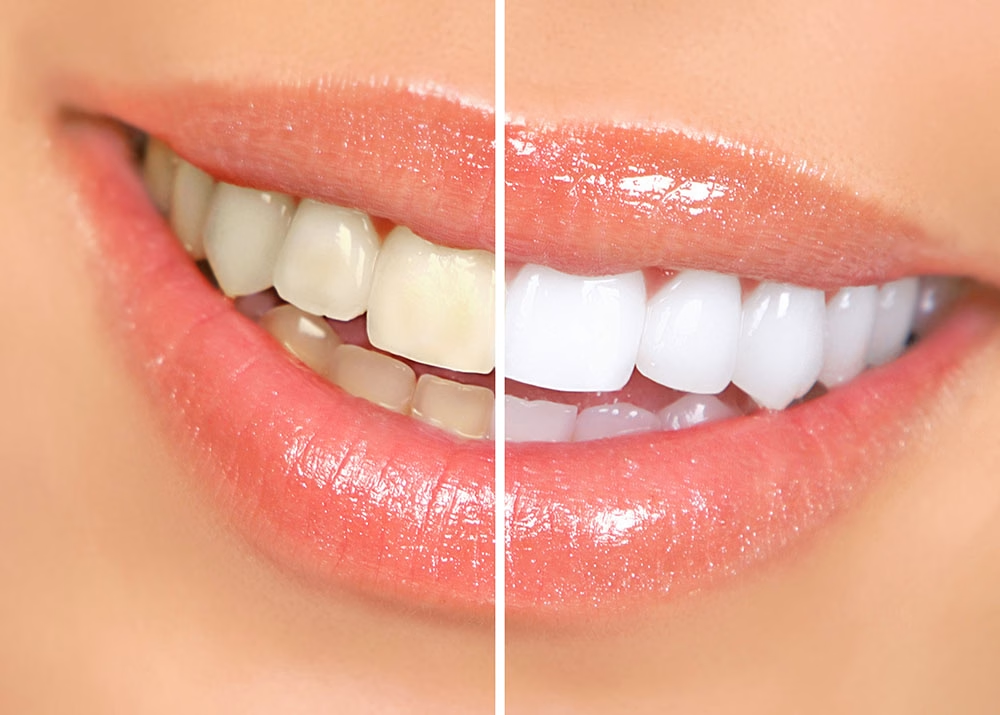
A brighter smile is one of the most requested cosmetic improvements, and there are more whitening products on store shelves than ever. But are whitening strips and toothpastes as effective as professional treatment? Here’s how the options compare, from the team at Focus Dental Group in Midvale.
What Causes Teeth to Lose Their Shine?
Tooth discoloration comes in two main forms. Surface (extrinsic) stains come from coffee, tea, red wine, soda, and tobacco. Internal (intrinsic) stains develop inside the tooth from aging, certain medications, excess fluoride in childhood, or trauma. Surface stains generally respond well to whitening, while internal stains can be more stubborn.
How Whitening Works
Most whitening products use hydrogen peroxide or carbamide peroxide to break apart stain molecules in the enamel and dentin. The American Dental Association notes that whitening products vary widely in strength and effectiveness, and recommends talking with your dentist before starting any whitening treatment.
At-Home Whitening Products
Whitening toothpastes use mild abrasives to remove surface stains but don’t change the natural color of your teeth.
Whitening strips and gels contain lower concentrations of peroxide and can lighten teeth gradually over several weeks.
Pros: affordable and convenient.
Cons: slower, less dramatic results; uneven coverage; and a higher chance of gum irritation if products don’t fit well.
Professional In-Office Whitening
Professional teeth whitening uses stronger whitening agents applied under dental supervision, with your gums carefully protected. Zoom teeth whitening uses a special light to accelerate results, typically completed in about 90 minutes.
Pros:
- Noticeable results in a single visit
- Even, consistent whitening
- Gums protected throughout treatment
- Sensitivity managed by your dental team
- Longer-lasting results
Cons: a higher upfront cost than store-bought kits.
Why a Dental Exam Comes First
Whitening isn’t right for everyone at every moment. Cavities, gum disease, or exposed roots can make whitening uncomfortable, and a dark single tooth may signal a tooth infection. A dental checkup ensures your smile is healthy before treatment. If you have sensitive teeth, your dentist can tailor treatment to keep you comfortable.
What Whitening Can’t Do
Whitening doesn’t change the color of crowns, fillings, or veneers, and some deep internal stains won’t fully respond. In those cases, porcelain veneers or crowns may be a better option. Whitening is also a popular finishing step after Invisalign and part of many smile makeovers.
Making Your Results Last
Avoid coffee, tea, red wine, and other deeply pigmented foods for at least 24 hours after whitening. Rinse with water after staining drinks, use a straw, avoid tobacco, and keep up with professional cleanings every six months. The National Institute of Dental and Craniofacial Research also offers helpful tips on daily oral care.
Brighten Your Smile in Midvale
Ready for a whiter smile? Call Focus Dental Group at (801) 255-7101 to schedule a whitening consultation, or explore our full list of cosmetic dental services.